Alternative expansion? MSC quietly buys tankers, ports, and even airlines
- Date: Jun 08, 2026
- Comments: no comments
- Categories: News
Mediterranean Shipping Company (MSC) has been making frequent moves recently, extending its territory from traditional container transportation to energy shipping, key ports, and even the aviation sector at an astonishing speed. Its series of investments and acquisitions indicate that MSC is actively building a cross-cycle, multi-sector global logistics and transportation empire.
Entering the energy shipping industry: acquiring 50% of the shares of Sinokor in South Korea
MSC is significantly reducing its reliance on container trade. The latest development is that MSC will acquire a 50% stake in South Korea’s Sinokor. Sinokor is actively expanding its fleet of Very Large Crude Carriers (VLCC), which means that MSC will take a direct step into the crude oil tanker sector.
Behind this layout lies MSC’s clear strategic logic:
Container freight rates have fallen significantly from their historical highs, while the VLCC market, supported by factors such as geopolitical restructuring and changes in crude oil trade routes, exhibits a distinct low correlation with container shipping. Entering the tanker sector can provide a natural hedging tool for MSC’s vast shipping network.
Seizing scarce shipping capacity. Changjin Merchant Shipping has been actively expanding its VLCC fleet in recent years, with both active ships and orders on hand. Through equity acquisitions, MSC can obtain high-quality shipping capacity resources in one step without going through the years-long newbuilding cycle or bearing high ordering costs.
MSC is not the first giant to diversify beyond the container-shipping lane. Maersk has delved into integrated logistics, while CMA CGM has invested in air cargo — but MSC’s move directly into energy shipping is more radical and countercyclical.
Securing the Black Sea hub: acquiring a controlling stake in Ukrainian ports
Recently, MSC has set its sights on Ukraine. Ukrainian media, citing company registration data, reported that MSC has acquired a 51% controlling stake in the TIS Container Terminal located within the country’s important Black Sea port of Pivdennyi. Pivdennyi is one of Ukraine’s deepest deep-water ports, and the TIS Group is the largest private port operator in the country.
If confirmed, this transaction will mark MSC’s strategic foray into a risky market. It’s worth noting that the terminal’s former partner, DP World, exited just in March this year, and MSC took over just a few months later. Against the backdrop of ongoing security risks and changes in trade flows in the Black Sea logistics, this move further solidifies MSC’s foothold in Ukraine’s port and multimodal transport market.
In fact, MSC invested in multimodal transport operator Levada Cargo and the Mostiska dry port near the Polish border last year. At the same time, by holding a 49.9% stake in Hamburg Harbour and Logistics AG (HHLA), it indirectly controls the Odessa Container Terminal under HHLA. This series of actions has formed a complete logistics chain for MSC in Ukraine and the Black Sea region.
Targeting the leisure travel sector: Collaborating with a consortium to acquire EasyJet
MSC’s ambitions even extend to the aviation sector. According to Italy’s Corriere della Sera, US investment firm Castlelake is considering joining forces with MSC to form a consortium for a potential takeover bid for UK budget airline easyJet.
According to reports, Castlelake hopes to submit a formal offer before the UK’s acquisition rules deadline on June 26, and bringing in MSC as a partner will help meet the EU’s airline ownership regulations. Although EasyJet criticized Castlelake’s timing as “highly opportunistic”, analysts believe that the airline, with its low valuation and valuable landing slots at key airports, is an ideal acquisition target.
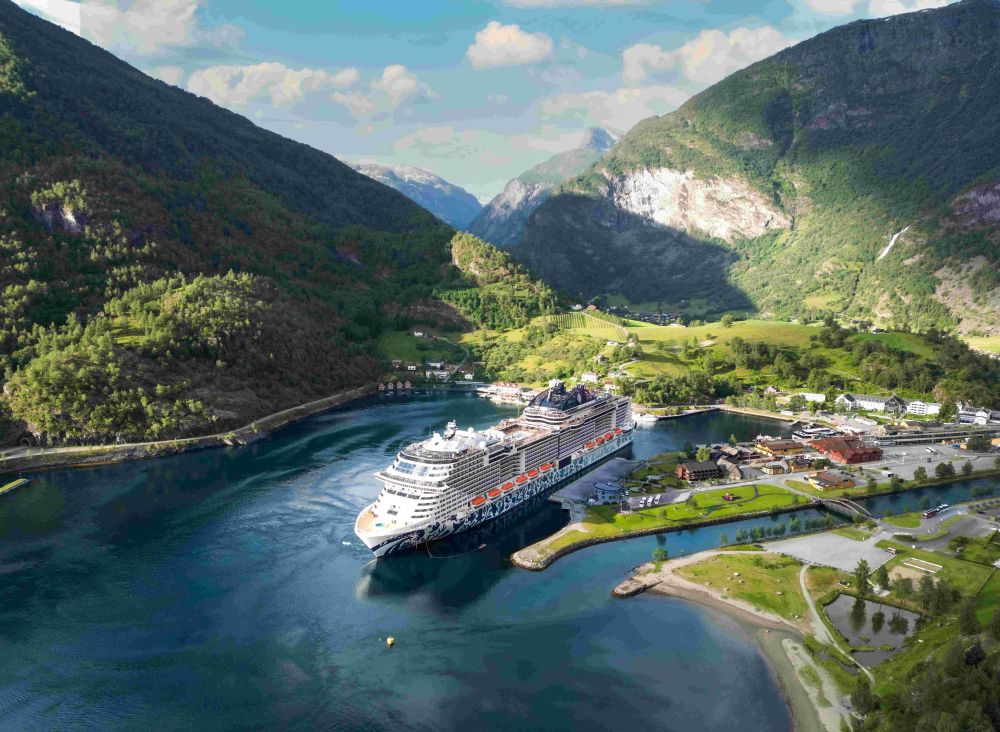
What deserves more attention is the model behind this combination: if successful, MSC will be able to control the entire leisure tourism chain, from flights to cruise ships, similar to the model of German tourism group TUI. MSC itself is already a leading global passenger cruise operator, and it also holds a 49% stake in Italian high-speed railway operator Italo. Coupled with EasyJet’s vacation package business, a tourism ecosystem covering “sea, land, and air” is already emerging.
MSC has long been renowned for its container fleet size. However, the current MSC is no longer just a shipping company. It is vigorously expanding into the energy shipping, key ports, onshore logistics, and air travel sectors through a series of precise and bold investments.







No Comments Yet.